



1. Why Powder Matching Matters for Thermal Spraying Projects
Many manufacturing enterprises blindly purchase universal thermal spray powder to cut procurement costs, which leads to frequent coating failure, increased downtime and repeated maintenance costs. Thermal spray coating performance is highly customized, and working medium, operating temperature, contact friction medium and load pressure jointly determine the final powder selection scheme. Reasonable powder matching can extend component service life by 2-5 times, and greatly reduce long-term equipment operating expenditure for factories.
“Matching working conditions rather than choosing expensive powder is the core principle of cost-effective thermal spray construction.” — International Thermal Spray Association (ITSA)

1.1 Four Core Factors Affecting Powder Selection
-
Operating temperature: Room temperature, medium temperature 200℃-800℃, ultra-high temperature above 800℃
-
Corrosive medium: Fresh water, saltwater, acid-base liquid, high-sulfur flue gas atmosphere
-
Friction mode: Dry abrasive friction, lubricated friction, impact wear, cyclic fatigue wear
-
Substrate material: Carbon steel, stainless steel, aluminum alloy, cast iron special base material
2. Classification & Applicable Scenarios of Industrial Spray Powders
2.1 Applicable Scope of Common Functional Powders
-
Self-fluxing alloy powder: Suitable for on-site repair surfacing, no pre-treatment required for base surface
-
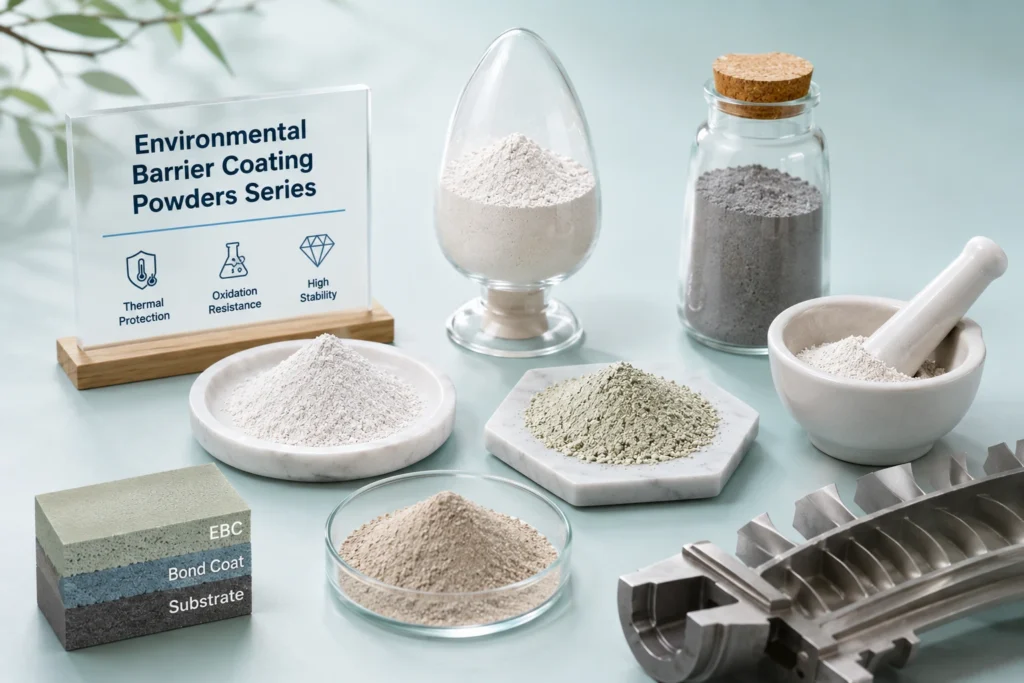
Ceramic composite powder: Prioritized for high-temperature thermal insulation and anti-oxidation working conditions
-
Pure metal powder: Used for dimensional restoration of precision mechanical parts
-
Solid lubricant composite powder: Designed for high-speed rotating parts with long-cycle friction demands
-
Anti-corrosion alloy powder: Exclusive for coastal, chemical plant and marine engineering equipment
2.2 Working Condition & Powder Matching Reference Table
|
On-site Working Condition
|
Recommended Powder Type
|
Coating Hardness Grade
|
Cost Level
|
|
General outdoor steel anti-rust
|
Aluminum Zinc Alloy Powder
|
Low Hardness
|
|
|
Hydraulic shaft wear repair
|
Nickel Chromium Alloy Powder
|
Medium Hardness
|
Moderate
|
|
High-temperature furnace roller protection
|
Cobalt-based Composite Powder
|
Ultra-high Hardness
|
High-end
|
3. Common Powder Selection Mistakes for Factory Buyers
3.1 Cost-oriented Wrong Selection
3.1.1 Typical Misoperation
-
Choose low-purity recycled alloy powder for key bearing component spraying
-
Use ordinary anti-rust powder instead of special anti-sulfur powder for boiler pipeline spraying
-
Ignore powder storage performance for cross-border long-cycle project procurement
3.1.2 Consequence of Improper Matching
-
Coating peeling off within 1-3 months after construction
-
Uneven powder feeding, serious material waste during spraying
-
Frequent equipment shutdown, affecting overall production schedule
4. Professional Custom Matching Service From SunSpray
4.2 Standard Powder Custom Process
-
Collect on-site temperature, medium, load and substrate parameter data
-
Technical team completes powder formulation recommendation and cost evaluation
-
Produce small-batch sample powder for customer field spraying test
-
Adjust powder fluidity and formula proportion according to test feedback
-
Mass production and deliver qualified batch powder with full inspection reports
With decades of working condition matching experience, SunSpray abandons one-size-fits-all powder supply mode. We provide free powder selection consultation for global industrial clients, balance use effect and procurement cost, and solve long-term coating failure troubles fundamentally.